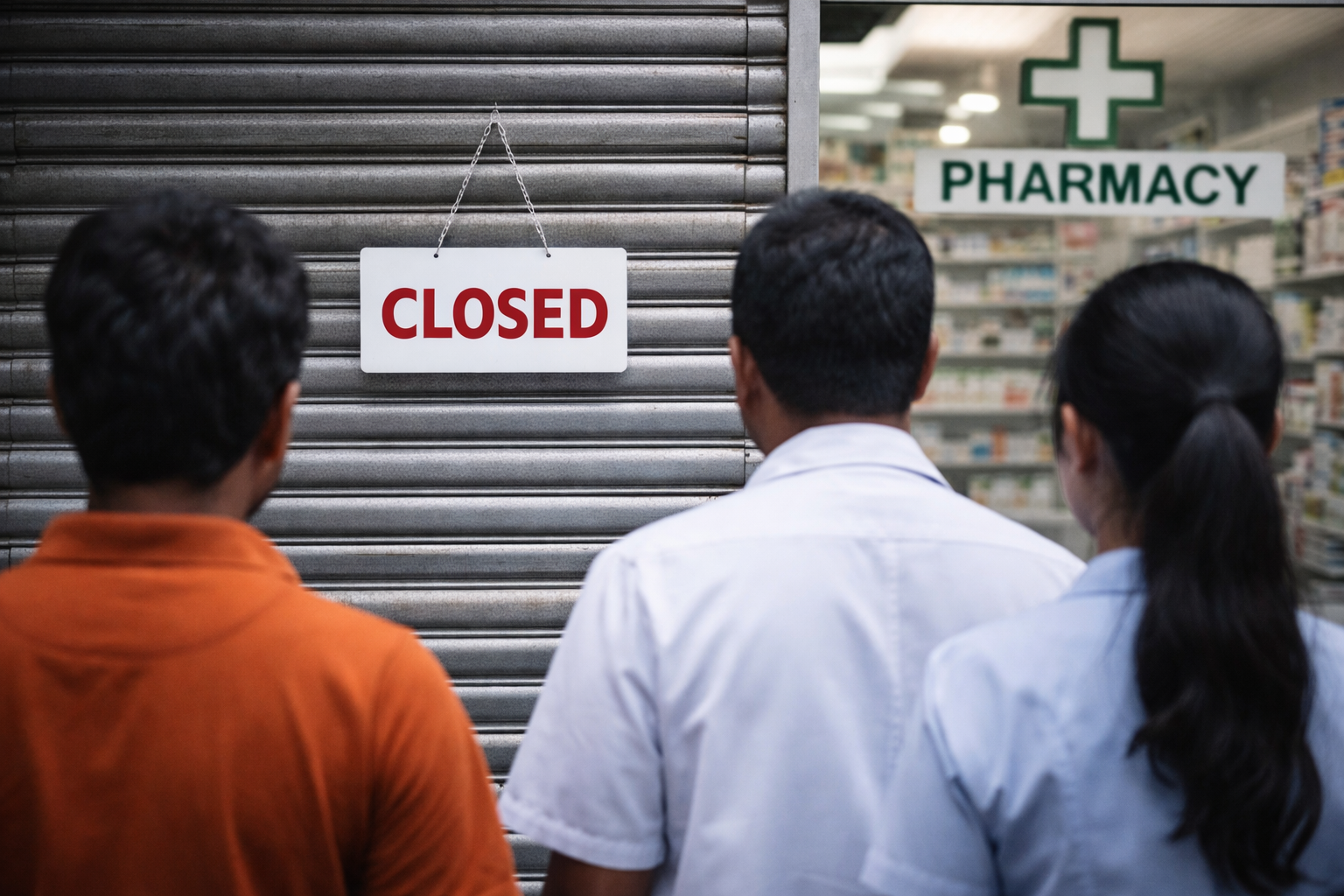

Private pharmacy owners across the country are facing an escalating crisis as unresolved licensing issues threaten the survival of more than half of the sector, raising serious concerns about public access to essential medicines.
The All-Island Private Pharmacy Owners’ Association has warned that approximately 55 percent of private pharmacies could be forced to shut down if the current situation continues. Association President Chandika Gankanda said pharmacy owners have repeatedly sought intervention from the Minister of Health, but despite multiple representations, no meaningful solution or relief has been provided.
Pharmacy owners argue that they are being penalised by administrative delays and regulatory bottlenecks that are beyond their control. Many say they have complied with all professional and safety standards, invested heavily in qualified staff, infrastructure, and digital record systems, yet remain trapped in prolonged licensing processes that jeopardise their businesses.
The potential closures are expected to have a direct impact on the public, particularly in rural and semi-urban areas where private pharmacies often serve as the first point of access to medicines. Owners warn that reduced pharmacy availability could lead to medicine shortages, longer travel times for patients, and increased pressure on already strained state health facilities.
Beyond public health implications, the association highlighted the economic consequences of mass closures. Thousands of pharmacists, assistants, and support staff stand to lose their jobs, while small and medium-scale entrepreneurs who have invested their life savings in pharmacies face financial ruin.
The Association has called on health authorities to adopt a fair and practical approach, including temporary licensing extensions and a clear, time-bound mechanism to resolve outstanding issues. Pharmacy owners stress that they are not seeking exemptions from regulation, but rather a transparent and workable system that recognises the realities of operating essential health services.
As the licensing impasse drags on, pharmacy owners warn that inaction could undermine both the private healthcare sector and the public’s right to timely access to medicines—an outcome they say can still be avoided with urgent government intervention.