
Colombo, October 26 – The Ministry of Finance, Planning and Economic Development has issued a new gazette introducing fresh conditions for the release of vehicles detained by Sri Lanka Customs, a move expected to bring relief to hundreds of importers whose shipments have been held for months.
The regulation, signed by Finance Minister Anura Kumara Dissanayake, took effect on October 24, 2025, and specifically addresses vehicles imported under cross-border Letters of Credit (LCs)—cases where the LC was opened in a country other than the vehicle’s manufacturing origin.
Background: Vehicles Stuck Since May
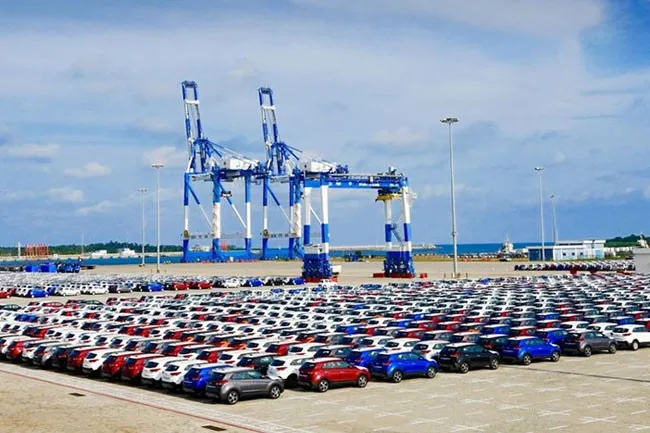
Since May this year, hundreds of imported vehicles have remained stranded at Sri Lankan ports, including Colombo and Hambantota. Customs officials had suspended clearance of these vehicles, citing potential violations of the Imports and Exports Control Act.
The main issue arose when importers used financial intermediaries or banks located in third countries to open LCs, instead of sourcing them directly from the manufacturer’s country. Authorities viewed this as a regulatory grey area, prompting a halt on vehicle clearance pending further legal clarification.
Key Provisions in the New Gazette
The latest gazette offers a structured mechanism to release such vehicles under clearly defined conditions. While the full text of the regulation outlines specific documentation and compliance requirements, the main points include:
- Eligibility: Vehicles imported under cross-border LCs opened in a country other than the manufacturing origin may now be released, subject to verification.
- Documentation: Importers must furnish complete documentation proving the legitimacy of the transaction, including the original LC, invoice, and evidence of vehicle origin.
- Registration Conditions: Released vehicles must be registered under conditions set forth by the Department of Motor Traffic, ensuring traceability and compliance.
- Customs Oversight: Customs retains discretion to verify authenticity and reject any cases found in violation of import control regulations.
Economic Implications
The decision is expected to ease pressure on importers and reduce port congestion, as hundreds of vehicles—many of them high-value units—have been accumulating demurrage and storage charges for months.
Analysts note that the move could provide a short-term boost to the automobile trade sector, which has been struggling with limited imports and regulatory uncertainty since the 2020 import restrictions.
Moreover, allowing controlled clearance under documentation safeguards reflects a pragmatic policy shift by the new administration—balancing enforcement with economic facilitation.
Customs and Importers Respond
Customs sources welcomed the gazette, noting that it offers long-awaited clarity on cross-border LCs, which are increasingly common in international trade financing. Importers’ associations have also expressed cautious optimism, saying they hope the government will continue to provide transparent and predictable guidelines to prevent similar impasses in the future.
Looking Ahead
While the new regulation does not represent a full liberalization of vehicle imports, it marks a significant step toward clearing the backlog and restoring confidence in the trade process.
Industry observers say the Finance Ministry’s decision signals a broader willingness to address regulatory bottlenecks that have discouraged importers and investors alike. The next few weeks will be crucial as Customs begins processing applications for release under the new framework.
In summary:
The new gazette issued by Finance Minister Anura Kumara Dissanayake provides a legal pathway for releasing vehicles detained by Customs since May, under strict documentation and registration conditions. The measure aims to resolve a months-long trade deadlock while ensuring continued compliance with Sri Lanka’s import control laws.