
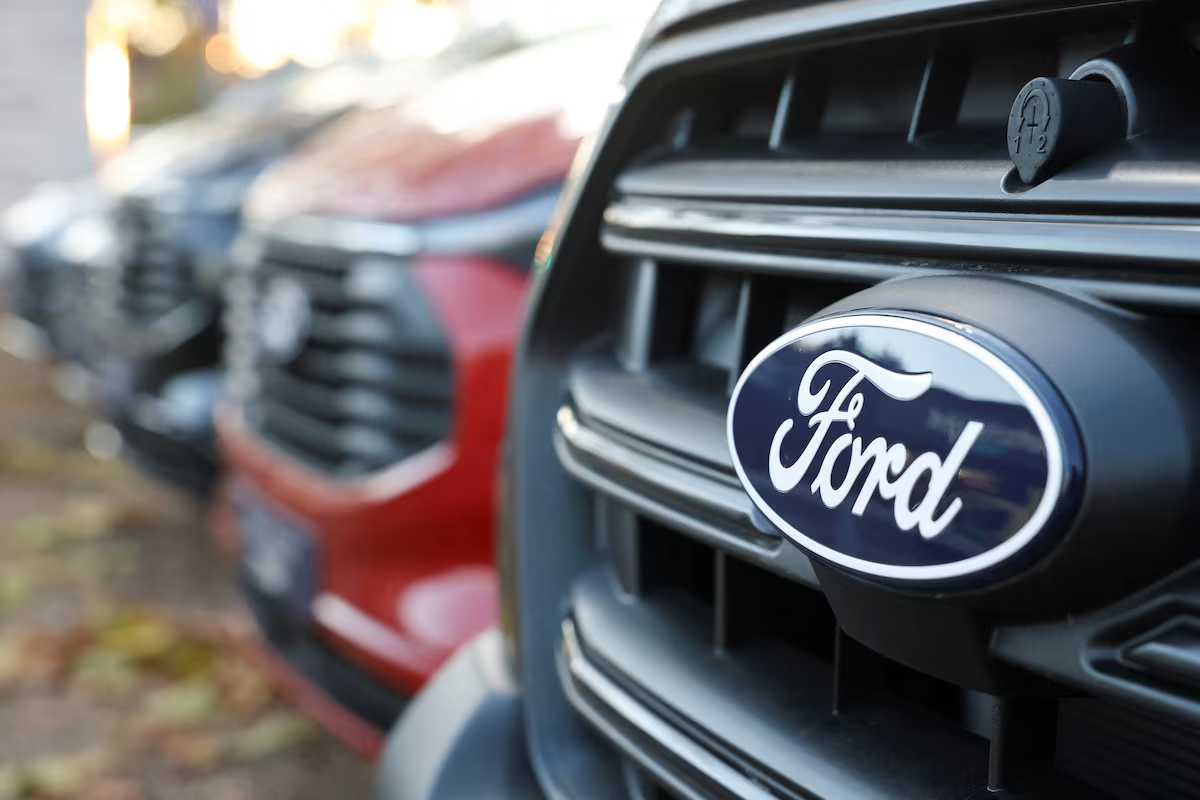

In a courtroom showdown in London this week, some of the world’s biggest auto manufacturers face a pivotal trial over allegations of emissions fraud—more than ten years after the Volkswagen “Dieselgate” revelations shook the industry.
The Claims: Defeat Devices Under Scrutiny
Lawyers representing approximately 1.6 million claimants are accusing Mercedes-Benz, Ford, Nissan, Renault, and Stellantis (brands such as Peugeot and Citroën) of installing illegal “defeat devices” in their diesel vehicles. These defeat devices are said to detect when a vehicle is undergoing emissions testing and artificially reduce pollutant output—but allow the car to emit far more in real-world driving conditions.
The trial will begin by examining a representative sample of about 850,000 vehicles to decide whether these devices were used. Should liability be found, a subsequent trial will determine how much damages the manufacturers must pay.
Why It Matters: Precedent, Scale & Reputation
If the court rules in favor of the claimants, it could set a binding precedent for hundreds of thousands of additional claims—affecting brands like BMW, Vauxhall/Opel, and others.
For automakers, the stakes go beyond financial loss. A ruling against them could severely damage consumer trust and brand reputation, especially in an era when “clean mobility” is a key marketing theme.
Automakers Push Back
The manufacturers deny wrongdoing and argue that their emissions control systems were technically and legally justified. They contend that the present claims differ substantially from the Volkswagen scandal, and they challenge the legal basis for equating their systems with “defeat devices.”
Mercedes-Benz, for example, has maintained that its approach to emissions technology complied with existing regulations and that any performance variation in real-world driving was within legal tolerances.
The Legacy of Dieselgate
The 2015 Dieselgate scandal—when Volkswagen admitted to cheating U.S. emissions tests—reshaped regulation, litigation, and public perception across the automotive world. That case led VW to pay more than €32 billion in fines, vehicle modifications, and legal settlements.
In the UK, courts have already ruled once in a similar case: London’s High Court found against Volkswagen in 2020. However, VW settled without admitting liability in 2022.
Today’s trial is far broader in scope, covering many more manufacturers and claimants, and carries implications for how emissions law is enforced and compensated across jurisdictions.