

COLOMBO – Sri Lanka’s energy landscape is at a critical juncture, marked by escalating protests from Ceylon Electricity Board (CEB) workers and the government’s resolute push for major sector reforms. The industrial action, which began with a “work-to-rule” protest, has intensified into a “sick leave” campaign as unions voice their opposition to the government’s restructuring agenda.
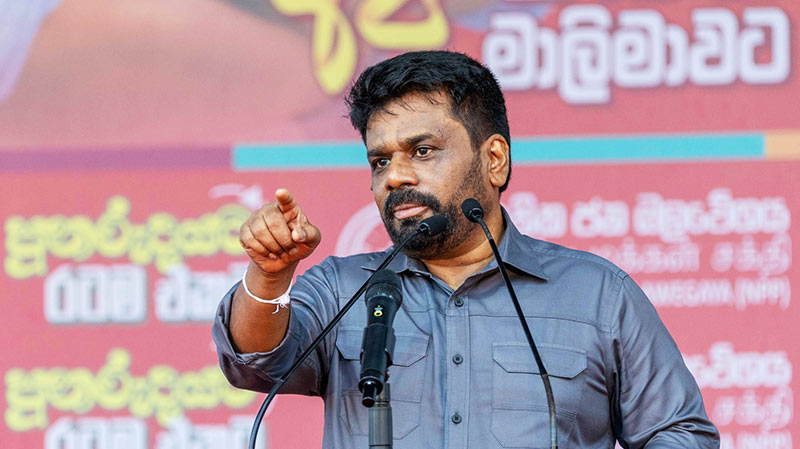
For over a week, trade unions representing CEB workers have engaged in a series of actions aimed at pressuring the government to reconsider its plan to divide the state-owned utility into four separate entities. Union leaders argue that the restructuring threatens their employment security, pensions, and working conditions. Despite the unions’ efforts to disrupt operations, the government has remained unwavering, with President Anura Kumara Dissanayake firmly stating that the power sector reforms will proceed as planned. He has called on workers to act responsibly and not sabotage a process designed to improve institutional efficiency and reduce electricity production costs.
In a move to strengthen the country’s energy independence, the government is proceeding with two significant oil refinery projects. Plans are underway to expand the existing state-owned Sapugaskanda refinery, aiming to double its capacity from 50,000 to 100,000 barrels per day. This expansion is part of a broader strategy to reduce reliance on imported refined petroleum products. Additionally, Sri Lanka is set to begin a new $3.7 billion oil refinery project in Hambantota, in partnership with Chinese energy giant Sinopec. This facility will have the capacity to process 200,000 barrels of crude oil per day, further bolstering the nation’s energy security.
The dual developments of a restive workforce and ambitious infrastructure projects underscore the government’s determination to overhaul Sri Lanka’s energy sector. The coming weeks are expected to be pivotal, as the government navigates the industrial action while striving to implement reforms and secure the country’s long-term energy future.